Nightstand finish selection is a commercial decision, not only a color choice. Importers need a finish that photographs well, matches the target room style, survives normal handling, and can be repeated in the next production batch.
The right finish brief should connect market taste, sample reference, gloss level, edge treatment, and packing protection before the buyer asks for the final quotation. When the material behind the finish is still uncertain, the materials and finish guide helps check whether the chosen surface can be repeated on the board, edge, and drawer front that will actually go into production.
Start with the selling channel
A finish should be chosen around where the nightstand will be sold. Ecommerce buyers need colors that photograph cleanly and do not shift too much under different light. Retail buyers need finishes that sit well beside other bedroom items. Hotel and apartment projects usually prefer calm tones that are easy to replace later.
This is why a finish discussion should begin with the buyer channel, not with a color name. Oak-look, walnut, white, black, and grey can all work, but each one carries different risks in photography, cleaning, scratch visibility, and reorder consistency.
Use samples as production references
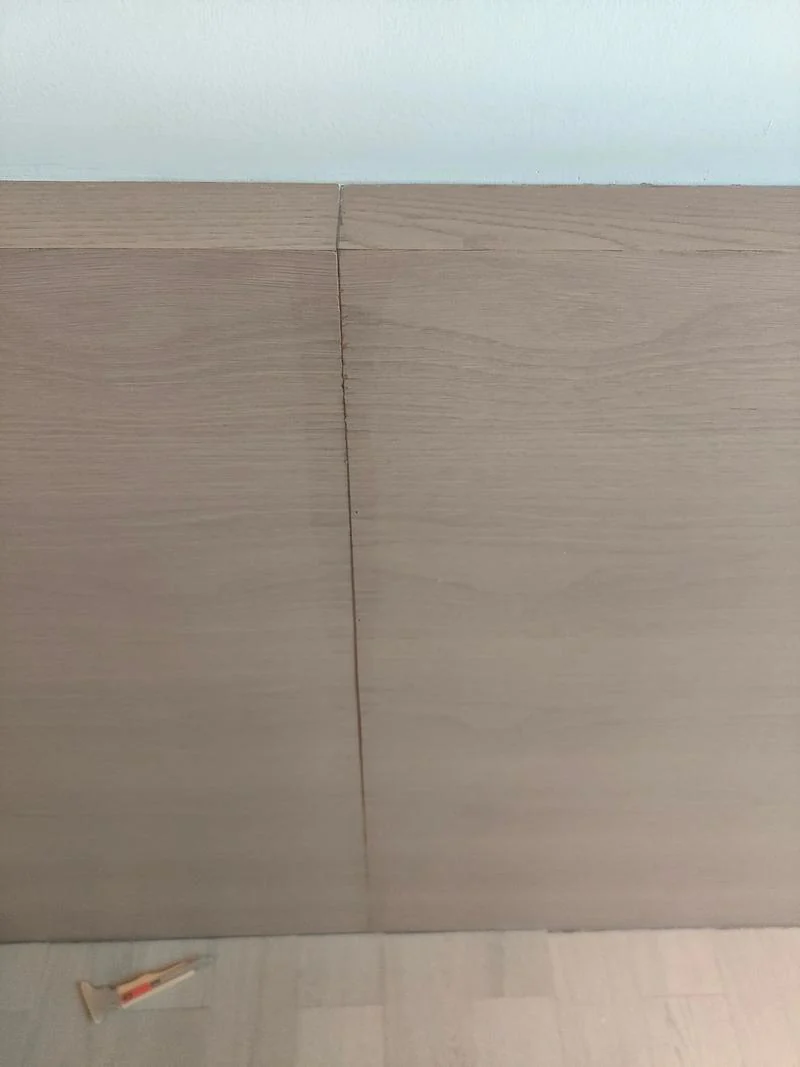
A physical finish board is useful, but it is not enough by itself. Buyers should also approve a finished drawer front or side panel, because edge coating, gloss, and surface texture are easier to judge on the actual structure.
Keep photos of the approved sample under indoor light and natural light. If the order is repeated later, those images help the factory compare the new batch against the original reference instead of relying on memory.
Check finish and packing together
Dark surfaces, glossy panels, and painted corners need stronger packing control. A finish can be correct when it leaves the workshop but still arrive with rubbing marks if the carton allows movement.
Before bulk production, review how the top panel, drawer front, and corners are protected inside the box. For finish-sensitive orders, packing is part of the finish plan, not a separate logistics detail.
Market example: finish approval for mixed channels
If the same nightstand will be sold online and also offered to distributors, avoid making the first order too experimental. A light wood or warm neutral can be easier to photograph and easier to reorder than a dramatic dark finish. If the buyer wants a premium dark tone, ask the factory to show edge protection and dust visibility on the sample.
The purchase file should include a finish name, sample photo, board reference, gloss expectation, and allowed tolerance. This prevents the next batch from being judged only by memory or screen color.
Finish Decisions That Change by Market
A US ecommerce buyer may prefer a finish that reads clearly in thumbnails, while a hotel buyer may choose a tone that hides daily cleaning marks. A distributor serving several retailers may need a safer neutral that can be reordered for more than one season. These are different commercial decisions, not simply different colors.
Before asking for a price, compare each finish option against the target room, target photography style, and expected reorder cycle. A finish that is beautiful but difficult to reproduce can create more risk than a simpler finish with stable batch control.
What to Put in the Finish File
A finish file should include the approved board, one finished component, photo references under two lighting conditions, gloss notes, edge treatment notes, and packing protection notes. This file gives the factory a practical production target.
For a first order, keep the finish file narrower than the sales catalog. It is better to launch one or two controlled finishes than to ask for many colors that cannot be monitored closely.
Best use of this guide
Use this guide before you request the final quotation. Send the target channel, preferred finish range, sample reference, expected quantity, and whether the nightstand must match other bedroom furniture. With those details, the supplier can recommend finishes that are realistic for production instead of simply attractive in photos.
When a finish becomes a sales risk
A buyer should be cautious when the finish looks good only under studio lighting. Online customers judge the product through phone screens, bedroom lamps, and natural light, so the sample should be photographed under several normal conditions before approval.
Ask the supplier whether the same finish has been produced before, how color tolerance is controlled, and whether edge coating can match the main surface. These answers matter more than a nice finish name in the quotation.