OEM and ODM sourcing notes covering sampling, quotation preparation, production planning, and private label furniture cooperation.
This topic groups buyer-focused Nightstand Plus articles written for practical sourcing decisions.
OEM and ODM sourcing notes covering sampling, quotation preparation, production planning, and private label furniture cooperation.
This topic groups buyer-focused Nightstand Plus articles written for practical sourcing decisions.
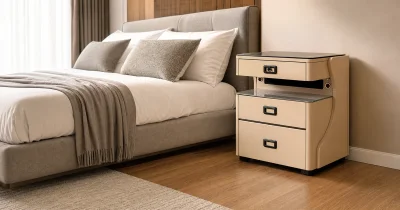
A B2B product pick for NSP-SM03, a 50cm smart nightstand with an audio panel, wireless charging, LED top light and configurable safe storage for hospitality and apartment projects.
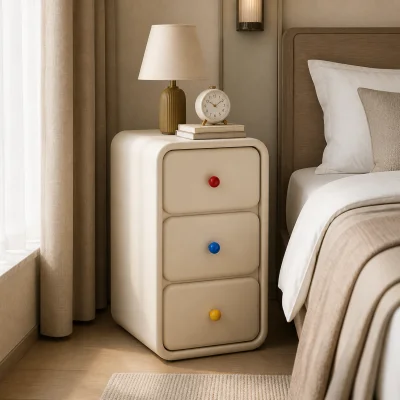
A B2B product pick for SPF-03-1, a narrow three-drawer upholstered nightstand for compact hotel rooms, apartments, retail lines and private-label bedroom programs.
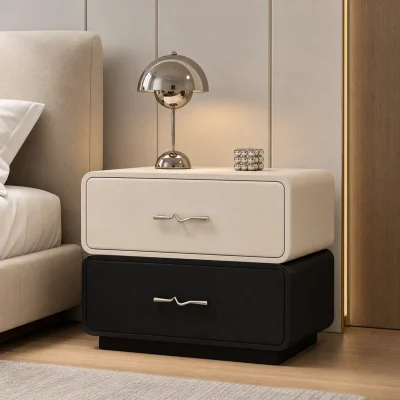
A B2B product pick for SPF-8113, a two-tone upholstered nightstand with wave pulls for retail display, hotel sample rooms and private-label bedroom programs.
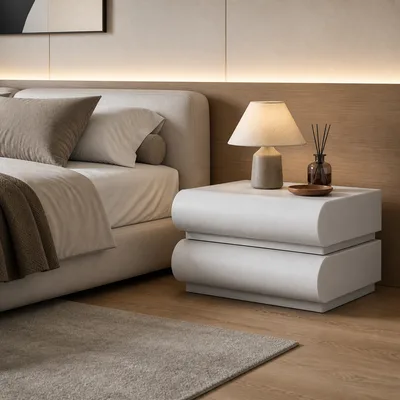
A B2B product pick for XH, a low-profile wavy upholstered nightstand for platform beds, apartment packages, hotel rooms and private-label bedroom programs.
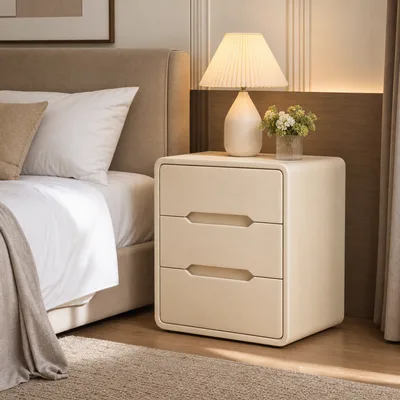
A B2B product pick for XSC, a modern three-drawer upholstered nightstand for hotel, apartment, retail and private-label bedroom furniture programs.
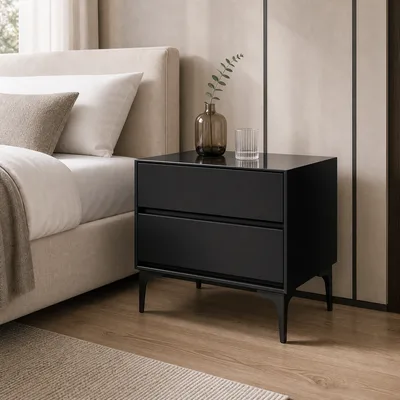
A B2B product pick for 8111, a black modern two-drawer nightstand with raised metal legs for hotel, retail, apartment and private-label bedroom programs.
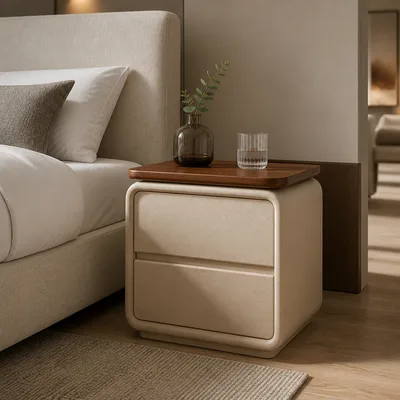
A B2B product pick for W53, a rounded panel upholstered nightstand with woodgrain top, width options and OEM/ODM planning notes for wholesale and project buyers.
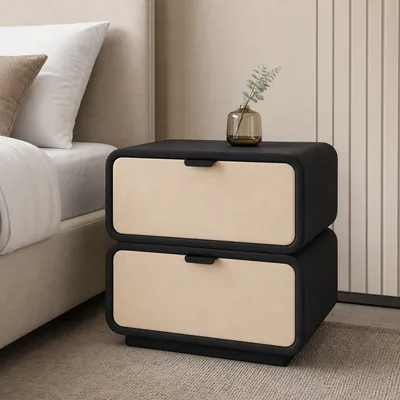
A B2B product pick for model 8112, a two-tone rounded upholstered nightstand suited to wholesale, hotel and private-label bedroom furniture programs.
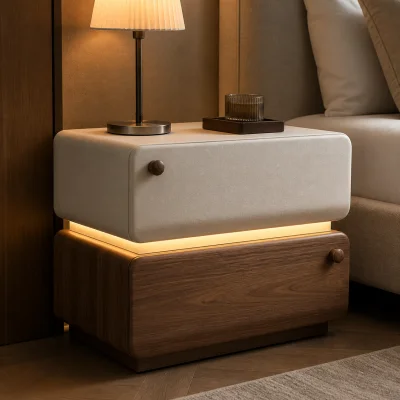
An expanded B2B product pick for the LED Accent Two-Drawer Nightstand 8017, covering buyer fit, hotel and retail use, RFQ details, finish planning, packaging and internal sourcing links.
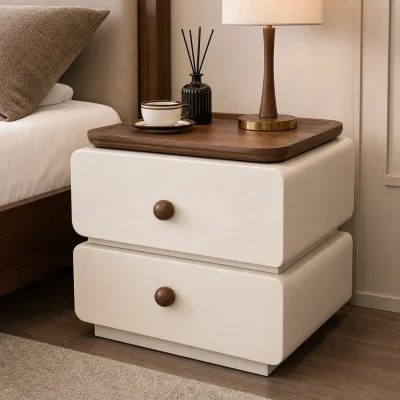
A deeper B2B recommendation for the A31 wood-top rounded upholstered nightstand, with finish, buyer-fit, sample approval, packaging and internal sourcing links.
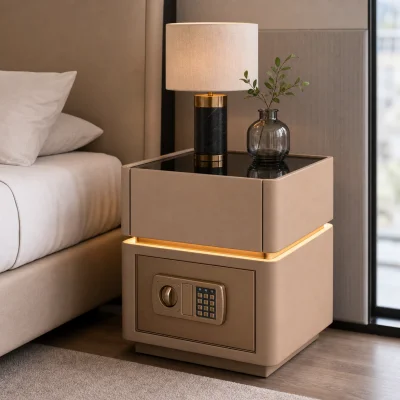
A deeper B2B recommendation for the BC58 safe-box upholstered nightstand, covering hotel use, secure-storage positioning, quotation details, inspection points and project links.
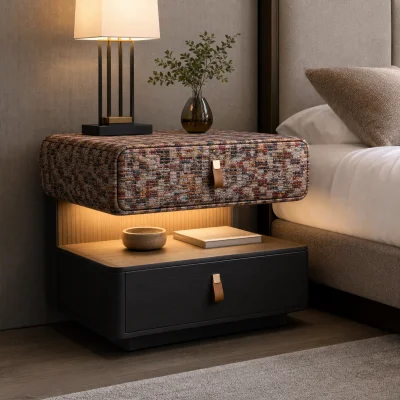
A stronger B2B recommendation for floating-look patterned nightstands, with buyer fit, finish planning, hotel use cases, packaging checks and internal sourcing links.
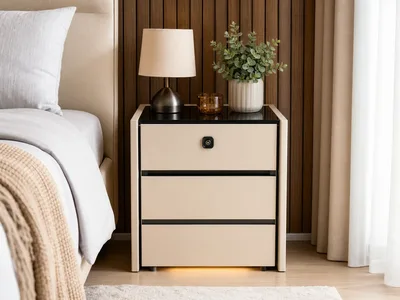
A deeper B2B product recommendation for importers planning a two-drawer modern nightstand starter SKU, with sourcing links, material choices, packaging notes and RFQ checks.
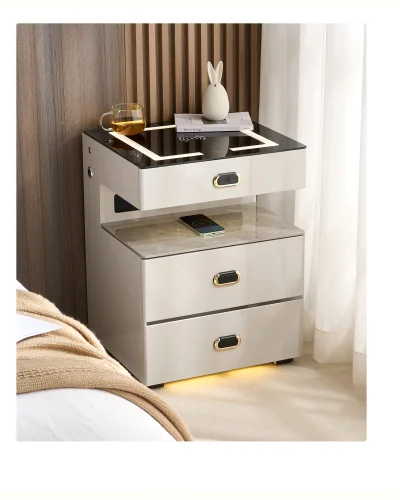
A practical B2B guide for importers and wholesale buyers planning the first smart nightstand range, including SKU mix, feature tiers, samples, packaging and RFQ details.
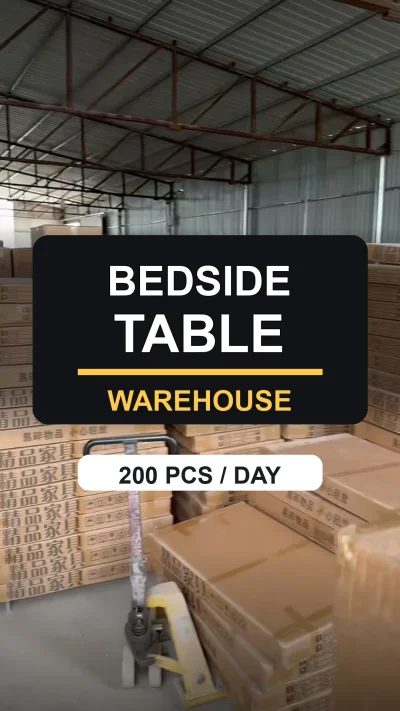
A short warehouse capacity video for B2B buyers reviewing bedside table production output, stock planning, and stable OEM/ODM supply.