Material, finish, color, and hardware guidance for B2B nightstand sourcing.
This topic groups buyer-focused Nightstand Plus articles written for practical sourcing decisions.
Material, finish, color, and hardware guidance for B2B nightstand sourcing.
This topic groups buyer-focused Nightstand Plus articles written for practical sourcing decisions.
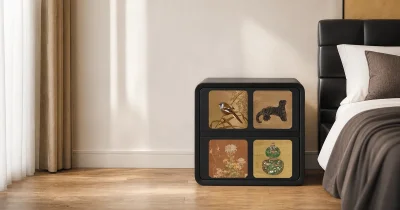
A B2B product pick for SPF-ZG08, a black retro decorative storage nightstand with four coordinated art panels and a compact width ladder for boutique bedroom programmes.
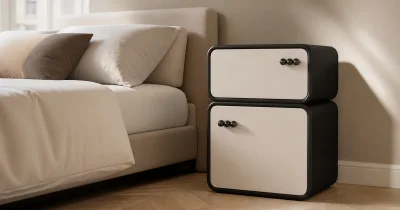
A B2B product pick for SPF-6DOT, a compact two-drawer upholstered nightstand with metal dot pulls for apartment, retail and private-label bedroom programs.
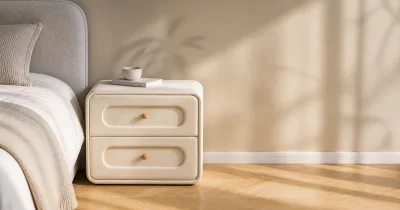
A B2B product pick for SPF-YLS, a compact two-drawer upholstered nightstand with round wood pulls for apartment, hotel, retail and private-label bedroom programs.
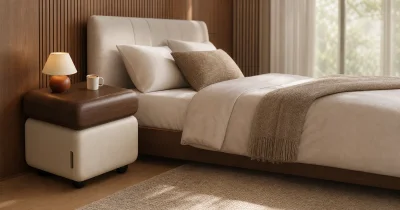
A B2B product pick for SPF-P019, a compact rounded upholstered nightstand with a warm wood-look top for boutique hotels, apartments, retail lines and private-label bedroom programs.
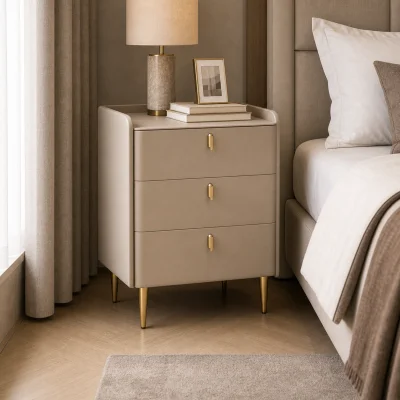
A B2B product pick for SPF-JGZ, a tall upholstered nightstand with slim metal legs for hotel rooms, apartments, higher bed frames and private-label bedroom programs.
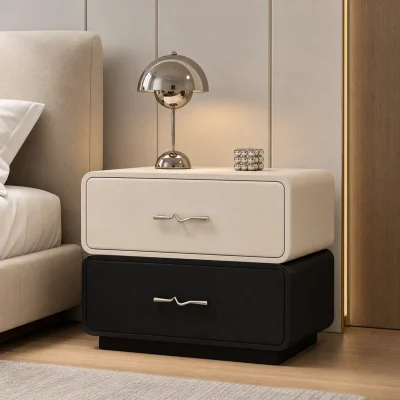
A B2B product pick for SPF-8113, a two-tone upholstered nightstand with wave pulls for retail display, hotel sample rooms and private-label bedroom programs.
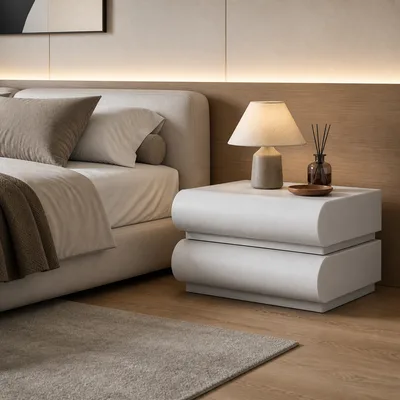
A B2B product pick for XH, a low-profile wavy upholstered nightstand for platform beds, apartment packages, hotel rooms and private-label bedroom programs.
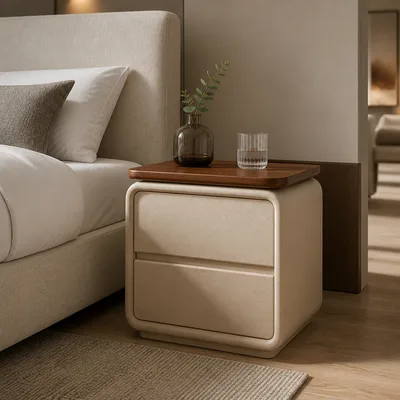
A B2B product pick for W53, a rounded panel upholstered nightstand with woodgrain top, width options and OEM/ODM planning notes for wholesale and project buyers.
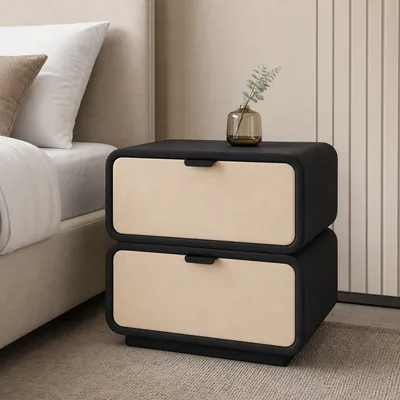
A B2B product pick for model 8112, a two-tone rounded upholstered nightstand suited to wholesale, hotel and private-label bedroom furniture programs.
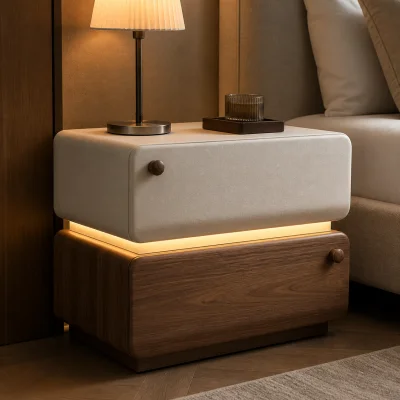
An expanded B2B product pick for the LED Accent Two-Drawer Nightstand 8017, covering buyer fit, hotel and retail use, RFQ details, finish planning, packaging and internal sourcing links.
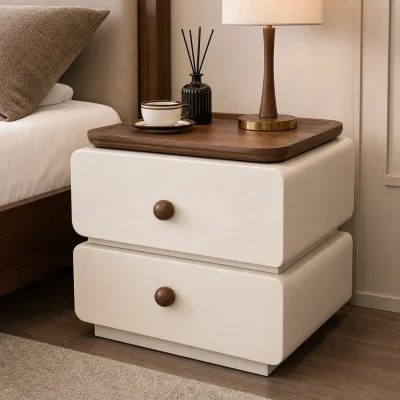
A deeper B2B recommendation for the A31 wood-top rounded upholstered nightstand, with finish, buyer-fit, sample approval, packaging and internal sourcing links.
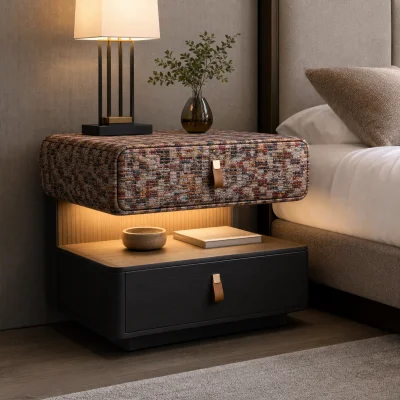
A stronger B2B recommendation for floating-look patterned nightstands, with buyer fit, finish planning, hotel use cases, packaging checks and internal sourcing links.
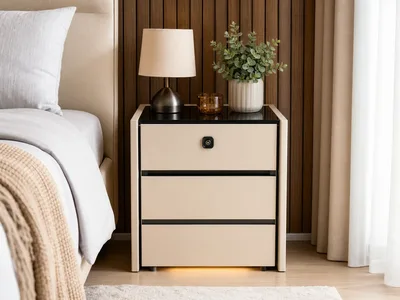
A deeper B2B product recommendation for importers planning a two-drawer modern nightstand starter SKU, with sourcing links, material choices, packaging notes and RFQ checks.
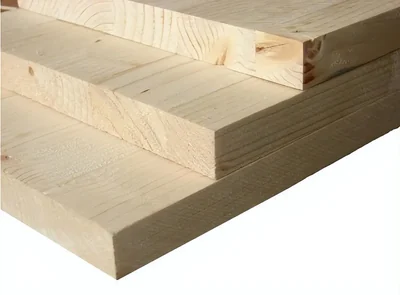
Practical guidance on nightstand materials and finish options for B2B nightstand buyers, covering visible surfaces, hidden structure, board thickness, edge treatment, finish system, hardware
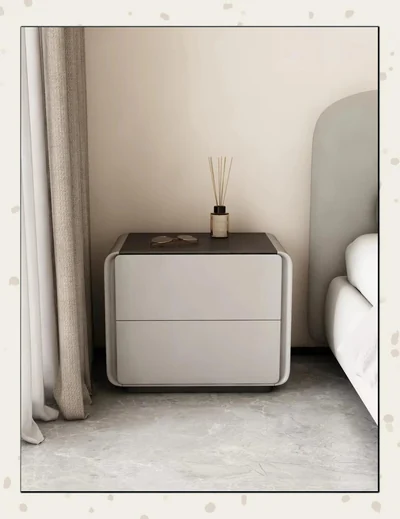
Practical guidance on nightstand color planning for B2B nightstand buyers, covering neutral colors, wood tones, online photography, retail display, batch consistency, and reorder risk.