Nightstand materials and finishes should be decided as one system. Board type, surface treatment, edge finish, hardware, carton protection, and target channel all influence the final order.
A useful material guide helps the buyer compare what can be seen in photos with what will survive production, handling, and repeat orders. When the market direction is modern, check the material decision against real modern nightstands; when the pressure is price, keep the material cost-control notes nearby so the saving does not remove visible value.
Choose material and finish together
Materials and finishes cannot be selected separately. MDF, particle board, plywood, veneer, melamine, painted surfaces, and mixed materials each behave differently at edges, drawer fronts, and high-use surfaces.
A finish that looks stable on one board type may not perform the same way on another. Buyers should ask what material is used for each visible and hidden part.
Separate visible surfaces from structure
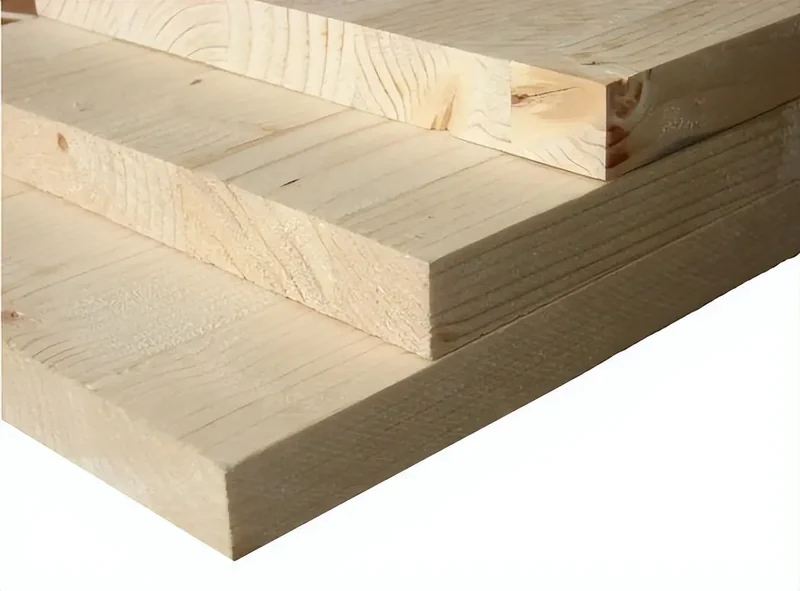
The drawer front, top panel, and side panel carry most of the visual value. Hidden panels and back structure affect stability and cost but do not need the same decorative treatment.
This separation helps buyers control cost without weakening the product’s market appearance.
Review edge and thickness details
Board thickness, edge banding, paint build, and corner treatment should be checked on the sample. Many quality issues begin at edges because they receive contact during use and shipping.
For mixed-material designs, confirm how glass, metal, stone-look panels, or fluted surfaces are attached and protected.
A material list should be part-by-part
A clear material quotation should list the top panel, side panels, drawer front, drawer box, back panel, legs, handles, and finish system separately. Without this breakdown, two suppliers may quote very different products under the same title.
For finish approval, ask how the edge is treated and how the visible surface is protected in packing. Materials and finish quality are judged after shipping, not only in the sample room.
Read the Material List by Product Part
A serious quotation should list material by part: top, side, drawer front, drawer box, back panel, legs, and hardware. Without this breakdown, two suppliers may use the same product name for very different constructions.
This is especially important when comparing painted finishes, melamine, veneer, or mixed-material tops. The visible surface and hidden structure should be understood separately.
Check the Edge, Not Only the Surface
Many finish problems appear at edges and corners. Ask how the edge is sealed, painted, banded, or protected in packing.
A beautiful top surface is not enough if the corners chip easily or the drawer-front edge shows poor finishing after transport.
Questions for a material quotation
Ask the supplier to list material by part: top, side, drawer front, drawer box, back panel, legs, and hardware. This makes the quotation clearer and helps the buyer compare alternatives fairly.
Material choice affects more than price
Board selection, surface paper, paint system, veneer direction, edge banding, and hardware mounting all influence how a nightstand feels and how it survives shipping. A cheaper material is only useful if it still supports the buyer's channel.
For hotel and apartment projects, durability and repeatability may be more important than unusual texture. For ecommerce, surface consistency and clean photography may matter more than complex material claims.
Ask for a finished component
A loose material board cannot show every production risk. Buyers should also review a finished drawer front, top panel, or side panel so they can judge edge finish, gloss, color, and touch on a real component.
Inspection should match the material decision
If the buyer chooses a scratch-sensitive finish, inspection should include top-surface and corner checks. If the buyer chooses a cost-focused board, inspection should pay attention to edge quality, screw holding, and drawer stability.
The material decision and inspection plan should not be separated. Each material choice creates a different set of risks, and those risks should appear in the final checklist before shipment.