Material cost control works best when the buyer understands which parts customers see, touch, and complain about. Cutting cost from the wrong panel, runner, or surface can make the order look cheap quickly.
A good cost discussion compares board grade, surface finish, hardware level, packing strength, and expected sales channel together. If the visible surface is where the budget pressure appears, check the materials and finish guide before cutting specification items, because a cheaper board or edge can create more visible value loss than the buyer expects.
Protect visible value first
Cost control should start by identifying what the customer actually sees and touches. Drawer fronts, top panels, handles, and visible edges usually influence perceived value more than hidden internal parts.
Reducing cost in visible areas may hurt sales or increase complaints. Saving cost in hidden structure, simplified hardware, or carton design may be safer when done carefully.
Separate material choices by function
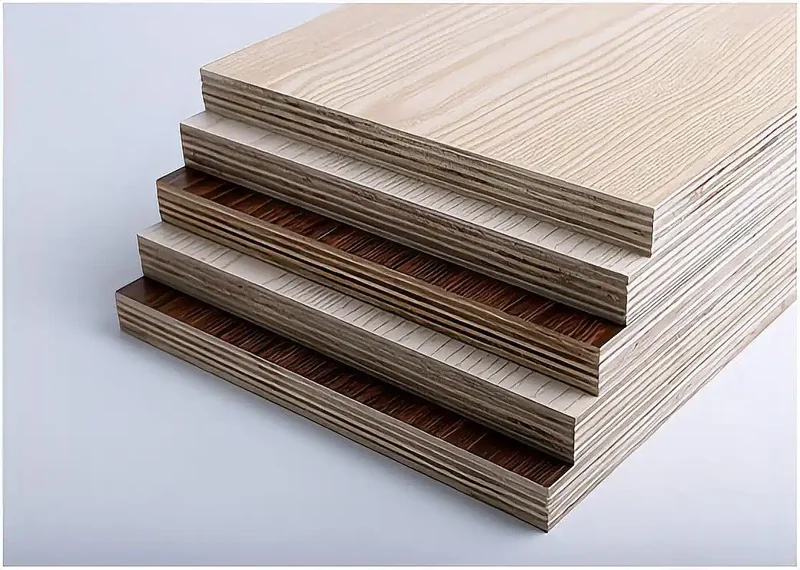
MDF, particle board, plywood, veneer, melamine, and painted finishes each serve different roles. A buyer does not need the most expensive material everywhere; the material should match the function of each part.
For example, a better surface finish on the drawer front may matter more than upgrading a hidden back panel. The quotation should make these choices clear.
Include freight and damage risk
A lower unit cost is not always a lower landed cost. Weight, carton volume, damage rate, and assembly time all affect the buyer’s real cost.
Before approving a cost-saving change, ask how it changes carton size, protection, hardware, and inspection points.
Cost reduction should be visible in the right places
A buyer can often save cost by simplifying hidden structure or reducing unnecessary decorative complexity. Cutting the visible drawer front, top finish, or handle quality is riskier because customers notice those details first.
Ask the supplier to show two or three cost options with the exact material difference. A useful comparison explains what changes, how much it saves, and what risk it adds.
Cost Should Be Reduced by Function
The buyer should decide which parts need visible quality and which parts only need structural performance. Drawer fronts and top panels carry visual value; hidden backs and internal supports may offer safer cost-control opportunities.
A cheaper material choice is useful only if it does not raise claims, weight, or packing damage. Ask the supplier to explain what is saved and what risk changes.
Compare Alternatives With Real Samples
Material comparisons should be made with sample boards or finished parts, not only with names such as MDF or particle board. Thickness, edge finish, and surface treatment can change the result.
For export orders, also compare the weight and carton effect. A low material cost can be offset by heavier packing or higher damage risk.
How to brief suppliers
Send a target price band, preferred finish, must-have visible features, and acceptable alternatives. The supplier can then suggest cost control without weakening the product’s market position.
Where cost reduction is usually safer
Cost can sometimes be reduced through carton optimization, simplified handles, fewer finish variants, or a more efficient panel layout. These changes are easier to control than weakening the visible top surface or drawer structure.
The buyer should ask the supplier to separate savings that affect appearance from savings that affect logistics or production efficiency. Not all cost reductions carry the same market risk.
Keep one quality anchor
Every value-engineered nightstand should keep at least one quality anchor, such as a clean top surface, stable drawer movement, or reliable finish. Without that anchor, the product may meet the target price but fail the buyer's channel.
Cost control should protect customer touchpoints
When reducing cost, protect the parts the customer touches first: top surface, drawer movement, handle, front panel, and visible edges. These areas shape the buyer's impression more than hidden panels or internal packaging choices.
If cost pressure is high, ask the supplier for two quotations: one that keeps the main user-facing details stable and another that shows deeper changes. Comparing both versions makes the trade-off visible instead of hiding quality loss inside a lower price.