Most OEM bedside furniture mistakes start before production. The buyer approves a look, the factory prepares materials, and only later do both sides discover that size, finish, hardware, packing, label, or function details were never fully confirmed. By then, the order may already have cost, lead-time, or quality risk built into it.
The safest OEM file connects design approval with the later production calendar. Before a sample moves too far, compare open decisions with the OEM nightstand development timeline. If too many details are still being discussed after the sample is made, the project is not ready for bulk production.
Mistake 1: starting from an incomplete brief
A product photo is not an OEM brief. The factory needs size, material, finish, drawer layout, hardware grade, function requirements, target quantity, packaging route, and approval process. Without these details, the supplier may quote a product that looks similar but is not suitable for the buyer's channel.
A better brief explains the business purpose. Is the nightstand for a hotel project, ecommerce brand, retail chain, or wholesale program? The answer changes packaging, finish tolerance, spare parts, and documentation. The RFQ preparation guide is a useful starting point because it turns a loose idea into a structured supplier request.
Mistake 2: changing finish or hardware too late
Finish and hardware changes look small on screen, but they can affect sample time, cost, material purchasing, and QC. Changing drawer runners, handles, LED modules, or color after sample approval may require a new test or new packing method. If the buyer wants options, request them before the sample is finalized.
For visible surfaces, compare choices with the materials and finish guide. For moving parts, confirm drawer runner level, handle position, screw type, and load expectation. These decisions should be locked before bulk materials are prepared.
Mistake 3: treating the sample as only a photo approval
A sample should confirm structure, finish, function, packing, and documentation. If the buyer only approves front-view photos, the factory may not know whether drawer movement, back panel, accessory bag, instruction sheet, or carton mark is final. This creates avoidable arguments later.
The sample approval workflow helps buyers separate appearance comments from technical decisions. Every sample change should say whether it affects price, lead time, material, packaging, or QC. If it does, the order file must be updated.
Mistake 4: leaving packaging until the end
Packaging is often treated as a final logistics task, but it can change product cost and complaint risk. A handle, leg, charging cable, or drawer front that is not protected well can damage the unit even if production quality is acceptable. Retail and ecommerce routes need even more packaging clarity.
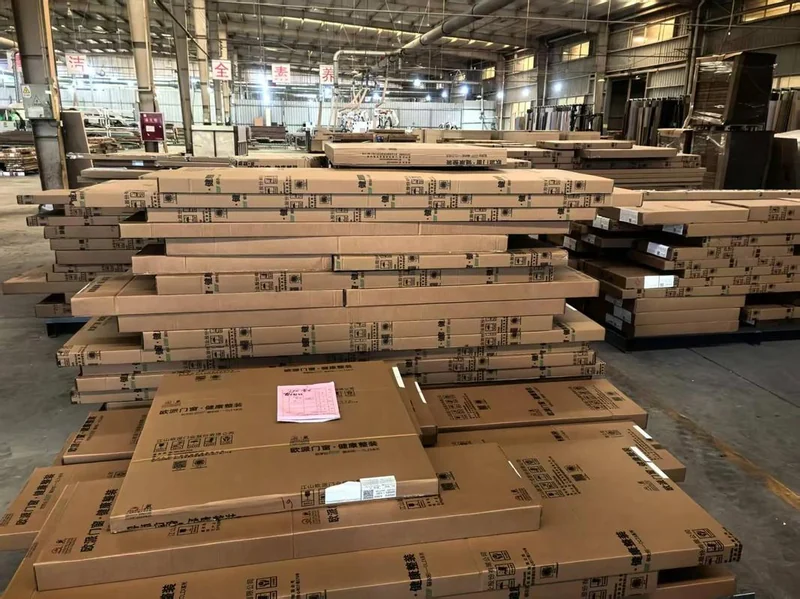
Before mass production, approve the packed sample and compare it with the export packaging guide. Check inner protection, accessory position, instruction sheet, barcode or carton mark, and loading plan. If the product is KD, confirm panel order and screw bag control.
Mistake 5: weak version control
OEM projects often involve several versions of drawings, labels, photos, and sample comments. If the buyer and factory do not agree which version is active, the production team may follow an older file. This is especially risky for private label orders with custom logo, carton artwork, or instruction sheets.
Keep one active order file and label all replaced files clearly. The active file should include approved photos, final material choice, finish reference, hardware version, packaging method, inspection standard, and delivery requirement. Good version control is not paperwork for its own sake; it is how OEM buyers prevent repeated mistakes.