OEM nightstand development moves faster when the buyer separates design exploration from production approval. Sample requests, finish decisions, hardware confirmation, packing tests, and photo approval should not be mixed into one vague deadline.
A practical timeline gives both sides enough room to find problems before bulk materials are prepared. In real projects, the calendar should follow the same logic as the OEM/ODM workflow: confirm the product file first, run samples against that file, and use the sample approval workflow to prevent late changes from entering mass production.
Define the base before changing details
OEM development moves faster when the buyer starts from a clear base model. The factory needs to know whether the structure is fixed or whether size, drawer layout, top design, and smart functions are still open.
A finish change is usually easier than a structural change. A wireless charging module, lift-up top, or new drawer system can affect wiring, internal space, and inspection steps.
Plan sample rounds realistically
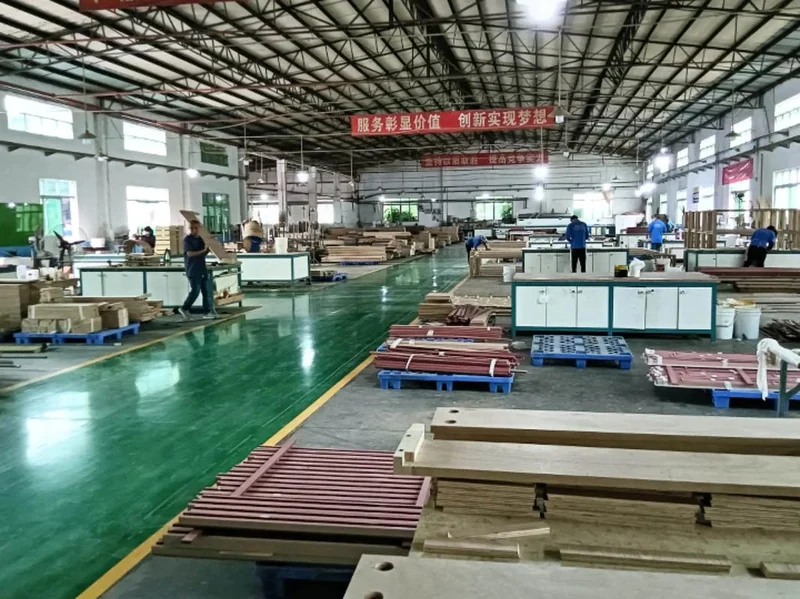
One sample round can confirm appearance, but complex OEM projects often need a second round for function, packing, or branding. Buyers should not treat every change as a small adjustment.
The timeline should include drawing confirmation, material review, sample production, function testing, packing approval, and final photo record. Skipping one stage usually creates delay later.
Lock records before bulk materials
Before mass production, the buyer should approve the final sample photos, finish reference, hardware list, function test, logo position, carton mark, and instruction sheet.
These records protect both sides. If a later question appears, the project team can compare against the approved file rather than reopening every decision.
Where OEM schedules usually slip
OEM schedules often slip when the product sample is approved but the carton, label, or function test is still open. The buyer thinks the project is finished, while the factory still cannot prepare bulk materials confidently.
A practical timeline should show decision dates, not only production dates. Add dates for drawing approval, finish approval, function approval, packaging approval, and final pre-production confirmation.
Where the Timeline Really Starts
OEM timing starts with requirement clarity, not with factory production. If the buyer has not decided the base model, finish, function, and packing route, the sample clock has not truly started.
A supplier can move quickly only when the buyer separates must-have changes from optional improvements. Otherwise every sample review becomes a new design meeting.
Milestones Worth Tracking
Track drawing approval, finish approval, component confirmation, first sample, function test, packing sample, pre-production sample, and bulk material release. These milestones show where the project is waiting.
For smart nightstands, add extra time for electrical checks and cable routing. A normal wooden cabinet schedule should not be reused blindly for a product with charging, lighting, or lock functions.
A practical starting brief
Send the base model, requested changes, target quantity, launch date, function list, and packaging needs. The supplier can then divide the project into quick adaptations and changes that need longer development.
Do not compress the wrong stage
Buyers can often shorten quotation discussion by sending complete requirements, but they should not compress finish approval, function testing, or packing validation too aggressively. Those stages catch problems that become expensive in bulk production.
A realistic timeline usually has decision gates: drawing or reference confirmation, sample build, finish correction, hardware confirmation, packing check, pilot photos, and bulk approval. Skipping a gate may look faster until the factory has to redo work.
What belongs in the development calendar
The calendar should show who owns each decision. The buyer may own target price and brand files, while the supplier owns production feasibility, material lead time, and packing suggestions. Shared ownership needs a date and an approval record.
Lead time should include supplier feedback
A buyer may set a launch date, but the development calendar should leave room for supplier feedback on material availability, finish stability, electrical parts, and carton testing. These comments often reveal whether the proposed design is ready for export production.
When feedback changes the sample, record the reason. A short note such as changed runner for load capacity or adjusted carton for corner protection helps the buyer understand why the timeline changed and prevents the same issue from being reopened later.