Quality control in a small furniture factory is most useful when it happens before the final inspection. By the time every nightstand is packed, scratches, uneven gaps, poor edge finish, weak drawer movement, or missing accessories are harder to correct. Good QC is not a complicated document; it is a set of visible standards at the points where mistakes can still be fixed.
For buyers, the goal is to connect daily shop-floor checks with the formal quality control process and the final pre-shipment quality check points. If those three layers do not match, the buyer may receive good inspection photos for one batch but inconsistent quality in the next.
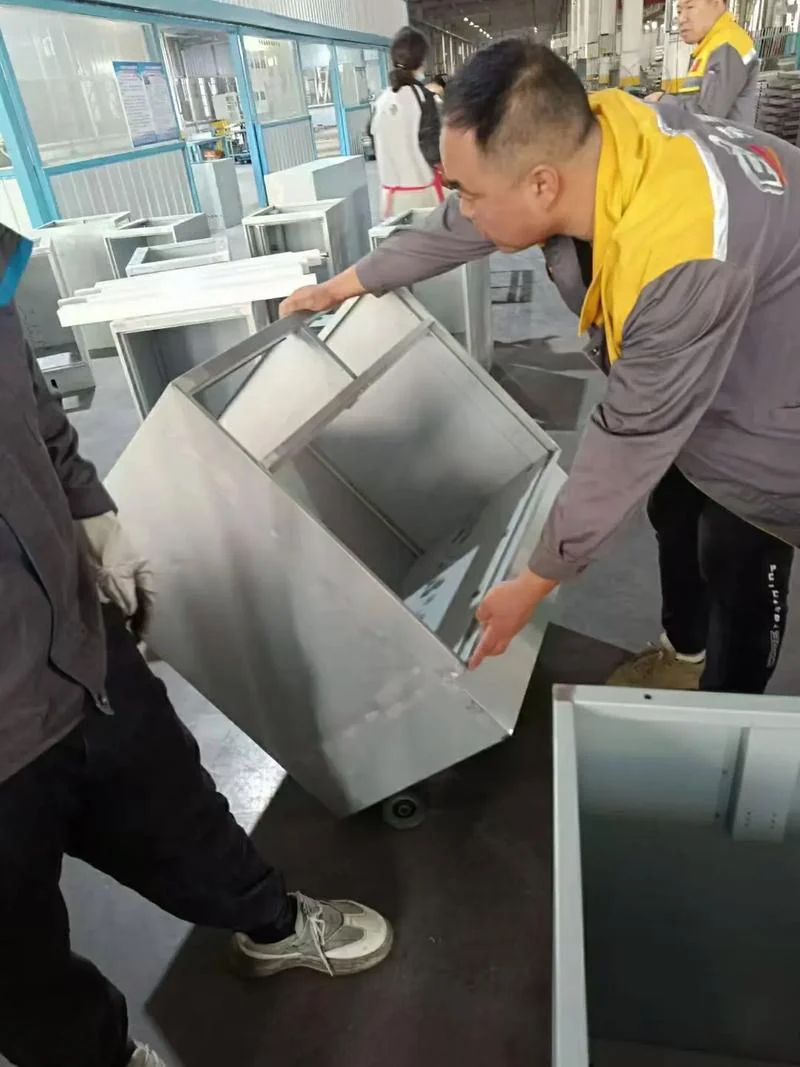
Check incoming materials before production starts
Many quality problems begin before cutting or assembly. Board thickness, surface paper, veneer, hardware, runners, handles, LEDs, charging modules, screws, and packaging materials should be checked against the approved sample or order file. A small factory may not have a large laboratory, but it should still know what must be inspected when materials arrive.
For nightstands, material checks should focus on visible surfaces and functional parts. If the finish board changes, if a runner grade changes, or if a charging module is replaced, the buyer should be informed before production continues. This is where the materials and finish guide becomes useful as a reference for what needs confirmation.
Make finish and assembly standards visible
Small factories often rely on experienced workers, but buyer standards should not stay only in someone's memory. Use reference photos, approved color boards, gap tolerance notes, handle position, drawer movement examples, and common defect photos. Put these standards where sanding, finishing, and assembly teams can see them.
Finish control should include color consistency, edge treatment, sanding marks, coating coverage, and surface cleanliness. Assembly control should include square structure, drawer gap, drawer sliding, leg balance, screw tightness, and back panel fit. These checks are simple, but they prevent many complaints that are expensive to fix after packing.
Test functional details during production
For basic cabinets, drawer movement and stability are the main functional checks. For smart nightstands, the factory also needs to test wireless charging, USB output, LED control, speaker function, fingerprint lock, or safe-box mechanism when those features exist. The test should not wait until the final day if the same component appears in many units.
Buyers sourcing feature products can compare the QC plan with the smart nightstands category. The more functions a product has, the more the factory needs a repeatable test method. A single sample video is not enough for bulk production unless the production team knows how many units are tested and what counts as a failure.
Control packaging as part of quality
Packaging is a quality issue, not only a logistics issue. A nightstand can leave the factory in good condition and still arrive damaged if corners, handles, drawers, or accessories are not controlled. During packing, workers should check surface condition, accessory count, instruction sheet, carton mark, inner protection, and packed-unit photos.
If the product will ship to ecommerce or retail warehouses, the packaging standard should connect with the export packaging guide. For project orders, packed-unit photos and carton marks help the buyer's receiving team identify rooms, phases, or SKU groups without opening cartons.
Use photos and records to improve the next order
Small factory QC becomes stronger when records are used for repeat orders. Keep photos of approved finish, assembly details, packaging, defects found, correction actions, and loading. These records help the buyer and supplier discuss real evidence instead of relying on memory.
A practical QC system should answer three questions: what standard was approved, where was it checked, and what evidence proves the shipment followed it. When a small furniture factory can answer those questions consistently, it becomes a safer long-term supplier for nightstand buyers.