Hotel nightstand procurement needs a different checklist from retail buying. The product must serve the room plan, guest use, housekeeping routine, maintenance team, and replacement schedule.
When the room schedule becomes a purchasing file, model choice should not be separated from operation. Buyers can shortlist from the hotel nightstands range, then check the same models against the hotel application notes for housekeeping clearance, socket position, spare-unit planning, and replacement discipline.
Procurement starts with room quantity
Hotel buyers should begin with room count, room type, spare units, and delivery phase. These numbers shape the production schedule and packing plan.
The nightstand specification should then connect size, finish, storage, charging needs, and cleaning expectations.
Replacement planning matters
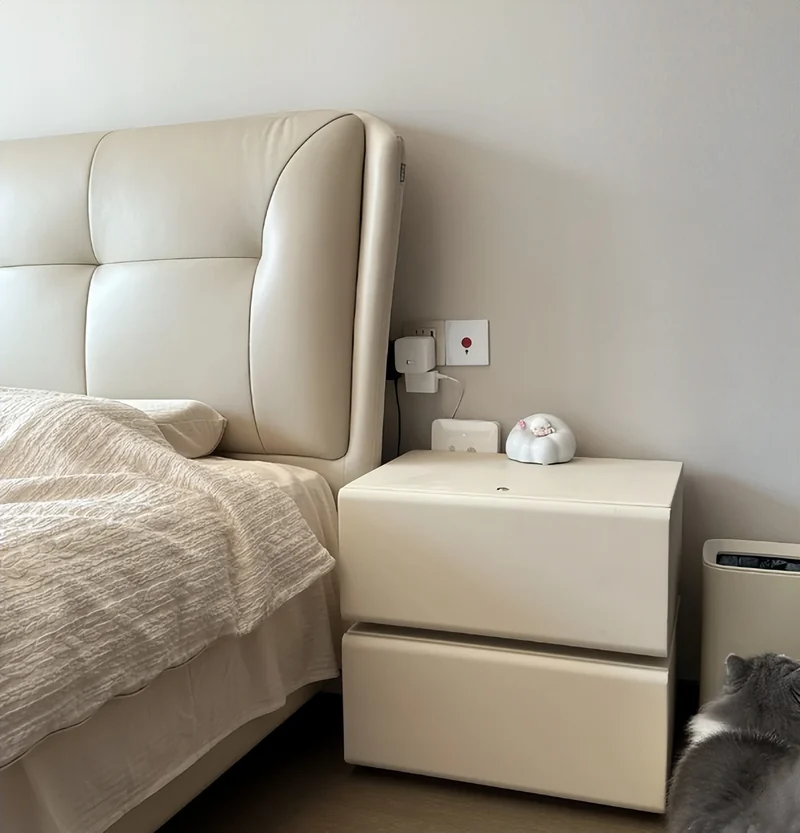
Hotels need replacement options. A finish that cannot be repeated or a special hardware item that cannot be sourced later may create problems after the first installation.
Keep finish records, approved photos, and spare-unit quantities with the project file.
Approval roles should be clear
Designers, owners, contractors, and purchasing teams may all comment on the product. Decide who has final approval for finish, function, packing, and delivery labels.
Without clear approval roles, the factory may receive conflicting feedback and lose time.
Hotel purchasing should plan after installation
The buying job does not end when the nightstands arrive. Hotels need spare units, replacement parts, cleaning guidance, and reorder records. These details should be part of procurement planning.
A supplier that can keep finish and hardware records helps the hotel buyer maintain consistency when rooms are repaired or expanded later.
Think Beyond First Installation
Hotels need spare units, replacement hardware, and finish records after the first delivery. Procurement should plan for maintenance, not only opening day.
If the hotel expands or renovates later, the buyer will need the same finish and hardware again. This makes record keeping part of procurement quality.
Clarify Who Approves Each Detail
The owner, designer, contractor, and purchasing team may all comment on the nightstand. Decide who has final approval for finish, function, packing, and delivery labels.
Clear approval roles reduce late changes and prevent the factory from receiving conflicting instructions.
Checklist for supplier review
Send room list, project schedule, finish reference, function needs, spare-unit plan, carton-label rules, and inspection standard. This turns procurement into a controlled order instead of a collection of separate requests.
Match the checklist to room type
A standard room, suite, apartment room, and accessible room may need different dimensions or functions. Procurement teams should avoid using one broad specification if the room layouts are not identical.
For each room type, record model, finish, quantity, spare units, charging function, carton mark, and delivery phase. This keeps installation and future replacement much easier.
Plan replacement from the first order
Hotels should keep spare units or at least a clear reorder file. The finish, hardware, and charger module should be recorded so a damaged nightstand can be replaced without starting a new development project.
Maintenance teams should review the sample
Hotel purchasing teams often focus on price and design, while maintenance teams understand what fails after opening. Before approving bulk production, ask maintenance or operations staff to review drawer access, charger replacement, cleaning space, and surface durability.
Their feedback can prevent small daily problems from becoming repeated room-service issues. A nightstand that is easy to clean and repair is usually better for hotels than one that only looks good on installation day.
Do not forget spare parts and spare units
Hotel projects should plan spare handles, chargers, feet, and sometimes complete spare nightstands. The cost is small compared with the difficulty of matching finish and hardware after a room is already in use.
Record where spare units will be stored and how they are labeled. If the hotel has several room types, spare stock must match the correct model, color, and function level.