Hotel nightstand buyers judge the product through daily room operation. The cabinet must fit the bed height, support housekeeping routines, resist visible wear, and remain replaceable when another renovation phase begins.
A hotel quotation is stronger when the buyer sends room quantities, room types, socket positions, spare-unit needs, and delivery phases instead of only a product photo. Before asking for price, compare those details with the hotel application notes and then shortlist hotel nightstands that can handle the room operation, not just the design style.
Hotel buyers think in room systems
A hotel nightstand is part of a room package. Buyers check how it works with the bed height, headboard depth, wall socket position, flooring color, and cleaning routine. A product that looks good in a catalog can still be wrong for the room if the proportion or function does not match the site.
Hotel projects also require repeatability. The same model may be needed again for spare rooms, later renovation phases, or replacement after damage. That makes finish records, carton labels, and spare-unit planning more important than unusual styling.
Function should be serviceable
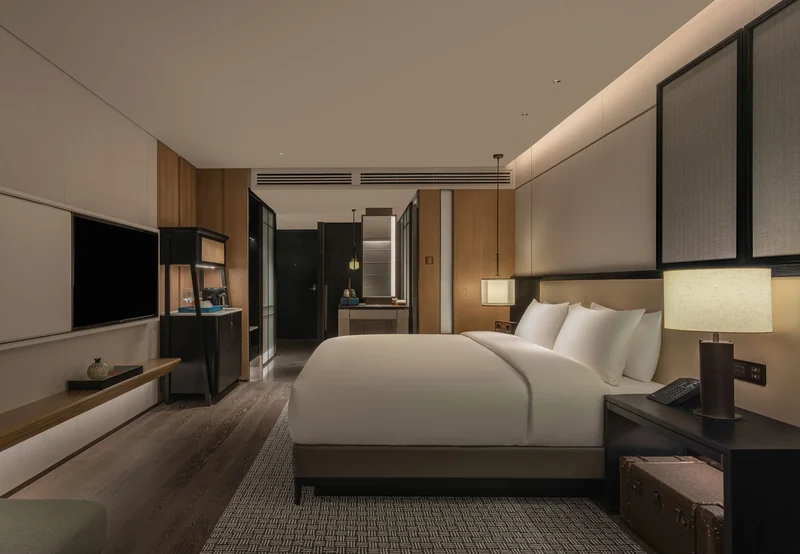
USB charging, wireless charging, LED lighting, and sensor switches can add value, but hotel maintenance teams need access to the parts. A feature that is hard to repair may create more work than benefit.
For hotel use, simple and reliable functions often beat complex functions. Drawer movement, cleanable surfaces, protected corners, and quiet operation should be checked before decorative details.
Procurement details that change the order
A hotel quotation should include room quantity, spare quantity, delivery phase, carton marking, and any room-number sorting requirement. These details affect production planning and shipment handling.
If the buyer has several room types, separate the specification by room type. Do not let one general nightstand description cover every guest room unless the dimensions and functions are truly the same.
Room operation example: a useful hotel brief
For a 120-room hotel, a nightstand brief should not stop at quantity. It should state how many standard rooms, how many suites, whether spare units are required, and whether delivery is made by floor or by full shipment. These details influence carton labels and production planning.
If the hotel wants charging functions, the brief should also mention plug standard, cable exit, maintenance access, and whether the charger should be replaceable. A good hotel nightstand is easy to manage after installation.
Hotel Rooms Create Different Stress Points
A guest room nightstand is touched by many short-term users and cleaned repeatedly by staff. Drawer handles, top surfaces, lower corners, and charging areas receive more wear than buyers expect from looking at a showroom photo.
The procurement team should ask how the finish handles cleaning, whether the drawer remains quiet after use, and whether replacement hardware can be sourced for future maintenance.
Project Records Hotels Should Keep
The hotel buyer should keep finish references, charging specifications, carton labels, and spare-unit records together. When another floor is renovated later, these records prevent a new supplier conversation from starting from zero.
If the hotel has multiple room grades, the nightstand record should identify which model belongs to each room type. This avoids mixing standard-room and suite specifications during repeat orders.
How to prepare the inquiry
Send the room drawing, room schedule, target finish, function list, spare-unit expectation, and required delivery phase. That information lets the supplier quote a hotel nightstand as a project item rather than a single furniture SKU.
Where hotel buyers lose control
Many hotel projects lose control when room drawings, electrical points, and furniture samples are reviewed by different teams. The nightstand may be approved by purchasing but still create problems for the contractor if cable exits or drawer openings conflict with the headboard.
Before final approval, compare one finished sample with the actual room layout. Check reach distance from the bed, cleaning access below the cabinet, and whether the top surface remains useful after adding lamps, phones, menus, or guest accessories.