KD packaging for bedside furniture can lower freight pressure, but it only works when the assembly sequence, panel protection, hardware bags, and instruction sheet are designed together.
A smaller carton is not a win if customers receive scratched panels, missing screws, or unclear installation steps after delivery. Before approving the packed sample, compare the KD plan with the export packaging checks; if the same SKU will be sold through a retailer, also confirm whether the retail-ready packaging file needs different carton marks or instruction placement.
KD packaging starts with assembly logic
KD packing is not just a way to reduce carton size. It must follow the real assembly sequence. Panels, screws, runners, handles, and instruction sheets should be arranged so the customer or installer can understand the process without guessing.
A compact carton can become expensive if it creates missing-part claims or assembly complaints. Buyers should ask to see the hardware bag, instruction sheet, and panel layout before approving the packing method.
Protect the moving and visible parts
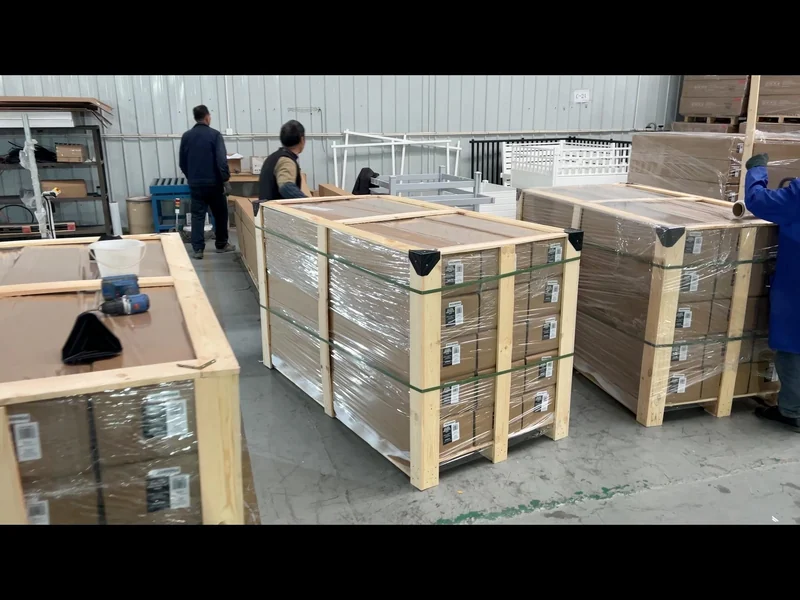
Drawer fronts, top panels, side edges, and handles are the parts most likely to create complaints. They need fixed positions inside the carton. Loose panels or hardware bags can scratch the finish during transport.
For painted or glossy nightstands, inner protection should be reviewed with more care. Foam, corner guards, honeycomb board, or paper protection should match the product weight and finish sensitivity.
Carton size affects landed cost
KD packaging can improve loading efficiency, but carton dimensions must be calculated before the order is locked. A few centimeters of carton depth can change container loading and warehouse handling.
Buyers should compare carton size together with damage risk. A carton that saves space but increases claims is not truly cheaper.
Assembly complaints are packaging problems
Many KD complaints are not caused by weak product design. They come from unlabeled screws, unclear diagrams, panels that look too similar, or hardware packed in a loose bag. A buyer can reduce these complaints by approving the instruction sheet and accessory layout together with the sample.
For ecommerce orders, photograph the packing sequence before bulk production. These photos can help customer-service teams understand the product and can also help the factory repeat the same packing method in later orders.
KD Packing Must Follow the User Journey
A KD package is opened by a warehouse worker, installer, retailer, or end customer. The packing layout should guide that person through the parts in the same order as assembly. If the first visible parts are confusing, support requests increase.
Instruction sheets should be checked against the final hardware bag. One changed screw length or missing hole note can make an otherwise good nightstand feel poorly engineered.
Carton Testing Before Bulk Production
Before buying bulk cartons, ask for photos of the packed sample from each layer. The buyer should be able to see which surface touches protection, where the hardware bag sits, and whether the drawer front is fixed.
If the order will move through ecommerce warehouses, review carton weight and hand holes. If it will go to a hotel site, review whether cartons can be sorted by room or floor.
Approval before mass packing
Approve the packing sample with photos of each layer: outer carton, inner protection, accessory bag, instruction sheet, and final sealed carton. Once bulk cartons are printed or purchased, changing the packing plan becomes slower and more expensive.
Hardware bags should be impossible to confuse
KD nightstands often fail at the hardware bag stage. Screws, runners, cams, dowels, and handles should be separated and named in the instruction sheet with the same codes printed on the bags.
If one bag serves several models, the packing team should have a photo record and a weight check. A small missing part can turn a low-cost carton into an expensive after-sales case.
Test the carton with the real assembly kit
Do not approve KD packaging from an empty carton drawing. The buyer should see panels, foam, hardware, instruction sheet, and outer carton together. If the instruction sheet changes, the carton contents should be checked again before mass packing.