A cohesive bedroom collection is built from repeated design language: finish tone, handle style, leg detail, proportion, and material texture. The nightstand should not feel like an isolated SKU.
Buyers planning a collection need to decide which details must stay consistent and where each item can change for function or cost. A clean launch often starts with a stable nightstand from the modern nightstands direction, then tests whether related items such as vanity nightstand cabinets can share the same finish language without making the range feel repetitive.
A collection needs design rules
A bedroom collection should have shared rules for finish, proportion, handle language, and product naming. Without rules, each item may look acceptable alone but disconnected when sold together.
The nightstand is often the anchor SKU because it is compact, visible beside the bed, and easier to sample before larger items.
Decide the role of each SKU
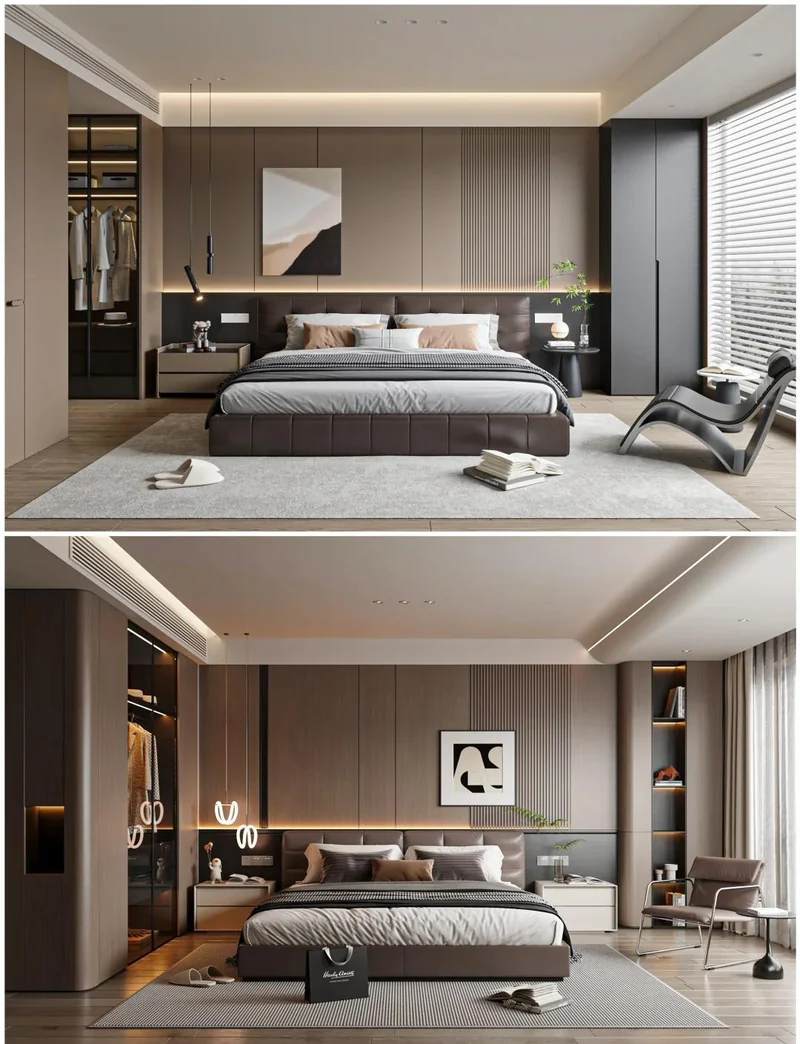
A collection does not need every possible item at launch. Buyers should decide which SKU is the hero item, which supports the price range, and which can wait for a second phase.
This keeps the first order focused and reduces the risk of developing too many untested variants.
Keep packaging and photos consistent
Collection consistency is not only product design. Carton labels, SKU names, instruction sheets, and catalog photos should follow the same logic.
If the nightstand and dresser use different finish names or photo styles, the buyer’s sales team may struggle to present them as one range.
A collection needs a launch sequence
Do not launch every possible bedroom item at once unless the buyer already knows the market. Start with a nightstand and one or two related items, then expand after sales feedback. This keeps sampling and inventory risk under control.
The first collection file should record finish, handle, proportion, SKU naming, and packaging style. Later items should follow that file instead of starting from a blank design discussion.
Start With a Collection Rule Sheet
A collection rule sheet should define finish family, handle language, leg style, proportions, naming, and packaging style. Without it, each SKU may drift into a different visual direction.
The nightstand is a useful first test because it shows most of the design language in a compact item. If the rule sheet works on the nightstand, it can guide larger pieces.
Choose the First SKU Set Carefully
A first collection order does not need every possible cabinet. Start with a nightstand and a few supporting items that prove the finish and proportion. Add more variants after market feedback.
This keeps sample cost, inventory risk, and photography work under control while still giving the buyer a coherent bedroom offer.
How to start the project
Send the intended room style, first SKU list, finish preference, and target price levels. The supplier can suggest which nightstand structure should lead the collection and which details should stay consistent across later SKUs.
Decide the repeated design language
A bedroom collection feels coherent when repeated details are intentional. The nightstand may share the bed's finish, the dresser's handle style, the wardrobe's edge profile, or the vanity's leg shape.
The buyer should decide which details are mandatory across the collection and which details may change by item. This prevents a collection from becoming a group of unrelated products with similar colors.
Plan photography before production ends
Collection photography should show how the nightstand works beside the bed and with other storage pieces. If each item is photographed separately with different lighting, the collection may look inconsistent even when production is correct.
Keep functional differences intentional
A collection does not require every item to share the same storage layout. A nightstand may need easy bedside access, while a dresser needs larger drawer capacity and a vanity needs surface space. The collection should share visual language while respecting each item's function.
Write the collection rule clearly: same finish and handle, similar edge radius, matching leg height, or repeated panel detail. This gives the supplier a design boundary when creating new pieces for the same range.